Dental Veneers in Toowoomba
Improve the Colour and Shape of Your Front Teeth
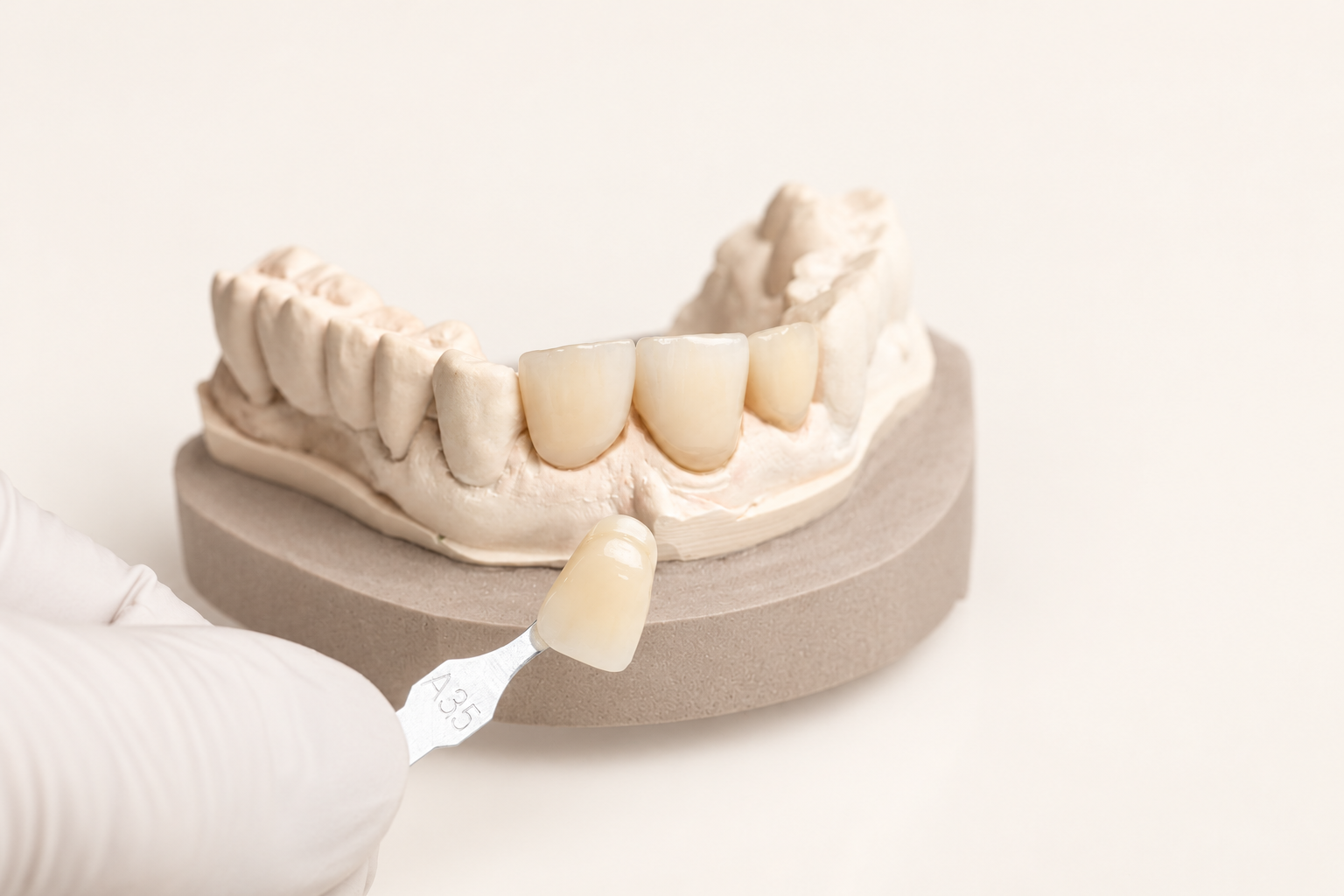
Dental veneers are thin coverings bonded to the front of teeth to improve their colour, shape or size. They may help with chipped edges, small gaps and discolouration that whitening cannot adequately improve.
At Glenvale Dental, we’ll assess your teeth and discuss the changes you have in mind, including whether veneers or a simpler treatment would suit your needs.
Are Dental Veneers Right for You?
Veneers may be worth considering if you’d like to change the appearance of your front teeth and the underlying teeth are healthy enough to support treatment.
Persistent Discolouration
Some stains do not respond well to whitening. Veneers may cover this discolouration, although the cause should be assessed first.
Chipped or Uneven Teeth
Small chips, irregular edges or teeth that look noticeably smaller than their neighbours may be improved with veneers.
Small Gaps or Irregular Shapes
Veneers can change tooth proportions to reduce small spaces or disguise minor irregularities. They do not move teeth or correct an underlying bite problem.
Benefits of Dental Veneers
Improve Colour and Shape Together
Veneers can address more than tooth colour. They can also reshape uneven edges or small teeth, making them an option when whitening alone would not achieve the change you want.
Close Small Gaps
By adjusting the width and outline of suitable teeth, veneers can reduce small spaces and create more even proportions across your smile.
Blend with Your Other Teeth
The shade, shape and surface detail can be planned around your surrounding teeth. Treatment may involve one tooth or several, depending on what needs changing.
Meet our Dentist
Get to know the people who’ll welcome you and care for you at Glenvale Dental.
Learn about our team’s backgrounds and approach to patient care before your first visit.

What Is The Dental Veneers Process?


Assess Your Teeth
We discuss what you’d like to change and examine your teeth, gums and bite. Your dentist will explain whether veneers are suitable and whether other treatment is needed first.


Plan the Changes
Together, we discuss the proposed shape, shade and number of teeth involved. Your dentist explains the recommended material, any enamel removal, costs and future maintenance before you decide.


Prepare and Place Your Veneers
The steps depend on the material used. Your dentist prepares the teeth as needed, then places the veneers, checking their appearance, fit and how your teeth meet.

Review and Maintain
Your dentist checks your comfort and bite and explains how to care for your veneers. Regular dental reviews help monitor the veneers and the teeth underneath.
Frequently Asked Questions
-
Porcelain veneers are custom-made ceramic coverings bonded to teeth. Composite veneers use tooth-coloured resin shaped onto the tooth. Porcelain generally resists staining and wear better, while composite is often easier to repair.
-
Veneers can be designed to blend with surrounding teeth through their colour, shape and surface detail. Tell your dentist whether you want a subtle change or a lighter shade so these preferences can be considered during planning.
-
No. A veneer may be used on a single tooth or several teeth. The number depends on your concerns, the condition of each tooth and how the proposed changes will blend with your smile.
-
Veneers are not a lifetime treatment. Their lifespan depends on the material, your bite, oral hygiene and habits such as grinding. They may eventually need repair or replacement, so future maintenance should be part of your decision.
-
Possible problems include sensitivity, chipping, cracking or a veneer becoming loose. Teeth underneath can still develop decay. Treatment involving enamel removal is irreversible, and repairs or replacements may be needed over time.
-
Costs depend on the material, the number of teeth involved and any treatment needed beforehand. Contact Glenvale Dental to ask about consultation fees and an individual quote, including what is covered and any additional costs.
-
Brush twice daily with fluoride toothpaste, clean between your teeth and attend regular dental reviews. Avoid biting hard objects or using your teeth to open packaging. If you grind your teeth, ask whether a protective splint is appropriate.
-
Whitening does not change the colour of veneers. If you’re considering whitening your natural teeth as well, discuss this before choosing the veneer shade so the treatments can be planned together.