Dentures in Toowoomba
Replace Missing Teeth and Restore Everyday Function.
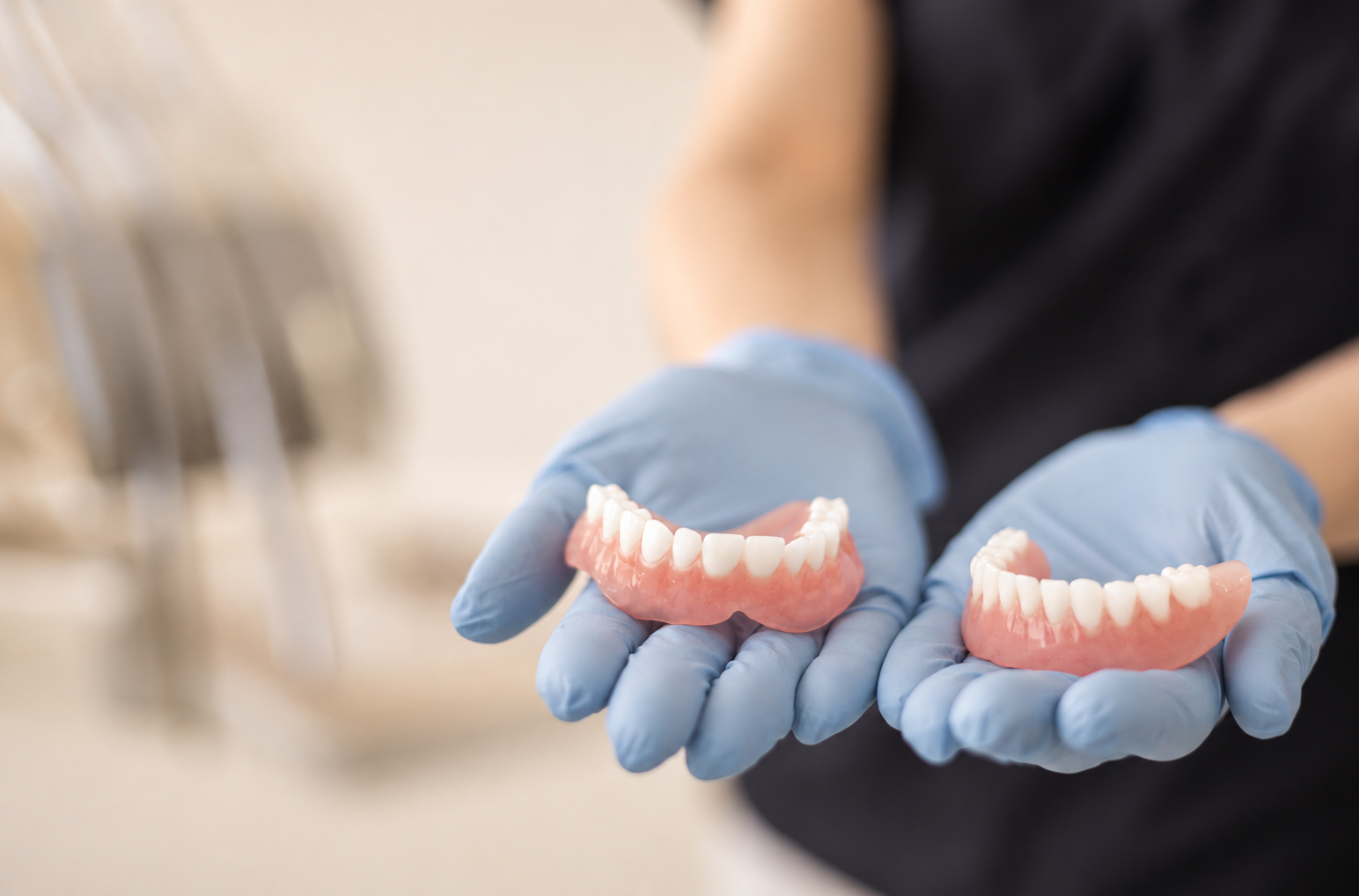
Missing teeth can make eating, speaking and smiling more difficult. Dentures replace missing teeth and surrounding tissue, helping restore your bite, appearance and everyday comfort.
At Glenvale Dental, we offer full acrylic dentures, chrome partial dentures and implant-retained dentures, along with repairs to many existing dentures. We'll assess your oral health and discuss which option best suits your needs.
Are Dentures Right for You?
Dentures may be suitable if you've lost several teeth, need to replace a full set or have an existing denture that no longer fits properly. The right option depends on your remaining teeth, gum health and personal preferences.
Missing Several Teeth
If you still have healthy natural teeth, a partial denture can fill the gaps without replacing the entire arch. Chrome partial dentures use a metal framework for support and can provide a durable, removable solution.
Missing All Your Teeth
Full dentures replace all the teeth in your upper or lower jaw. Custom-made acrylic dentures are shaped to fit your gums and help restore chewing, speech and the appearance of your smile.
Loose or Uncomfortable Dentures
If your dentures move when you eat or speak, they may need adjustment, relining or replacement. For suitable patients, implant-retained dentures can offer greater stability than conventional removable dentures.
Benefits of Dentures
Eat and Speak More Comfortably
Missing teeth can make certain foods difficult to chew and affect how you pronounce words. Dentures restore contact between the teeth, helping improve chewing and speech as you become accustomed to wearing them.
Restore Your Natural Appearance
Dentures replace visible gaps and can help support the lips and cheeks where teeth have been lost. The artificial teeth can be selected and arranged to suit your facial features and remaining natural teeth.
Options for Greater Stability
Different denture designs offer different levels of support. Chrome partial dentures use remaining teeth for retention, while implant-retained dentures can provide added stability for patients who struggle with loose conventional dentures.
Meet our Dentist
Get to know the people who’ll welcome you and care for you at Glenvale Dental.
Learn about our team’s backgrounds and approach to patient care before your first visit.

What Is The Dentures Process?


Assess Your Teeth and Gums
Your dentist examines your mouth, remaining teeth and gum health. We'll discuss your needs and explain whether full, partial or implant-retained dentures may be suitable.


Take Impressions and Plan
Impressions and bite measurements are taken to help design your dentures. The size, shape and colour of the replacement teeth are planned to suit your mouth and remaining natural teeth.


Try In Your Dentures
A trial denture may be used to check the appearance, tooth position and bite before the final denture is made. Your dentist can identify any adjustments needed at this stage.

Fit and Adjust
Your completed dentures are fitted and checked for comfort and function. We'll explain how to wear, clean and care for them, and arrange adjustments if sore spots or fitting problems develop.
Frequently Asked Questions
-
Full dentures replace all the teeth in the upper or lower jaw and usually rest on the gums. Partial dentures replace one or several missing teeth while some natural teeth remain.
Partial dentures may use an acrylic or metal framework to help support and retain them.
-
The cost depends on the type of denture, materials used, number of teeth being replaced and any additional treatment required. Full acrylic dentures, chrome partial dentures and implant-retained dentures have different costs.
At Glenvale Dental, we'll assess your needs and explain the recommended treatment and associated fees.
-
Many dentures last around five to ten years, although their lifespan varies with the materials, daily wear and changes in your mouth. Over time, the gums and underlying bone can change shape, affecting how dentures fit.
Regular dental reviews help determine when adjustments, relining or replacement are needed.
-
Dentures can improve your ability to chew, but they may not feel or function exactly like natural teeth. Start with softer foods, take smaller bites and chew evenly on both sides as you adjust.
Some hard or sticky foods may remain difficult, particularly with conventional full dentures.
-
Loose dentures may result from changes in your gums and jawbone, worn components or an altered fit. Depending on their condition, they may need adjustment, relining or replacement.
For some patients, implant-retained dentures can provide additional stability. Avoid trying to reshape or repair dentures yourself.
-
Many cracked or broken dentures can be repaired, depending on the type and extent of the damage. Missing teeth, fractured acrylic or damaged clasps may require different repairs.
Your dentist will examine the denture and advise whether repairing it is practical or if replacement would be more appropriate.