
Tooth Extraction in Toowoomba
When Saving a Tooth Is No Longer Possible.
Severe tooth decay, infection or damage can sometimes leave a tooth beyond repair. When treatments such as fillings or root canal therapy are no longer suitable, removing the tooth may be necessary to address the problem.
At Glenvale Dental, we examine your tooth and use dental X-rays where needed to assess its condition. We'll explain whether extraction is necessary, discuss any suitable alternatives and help you understand what to expect from treatment.
When Might a Tooth Need to Be Removed?
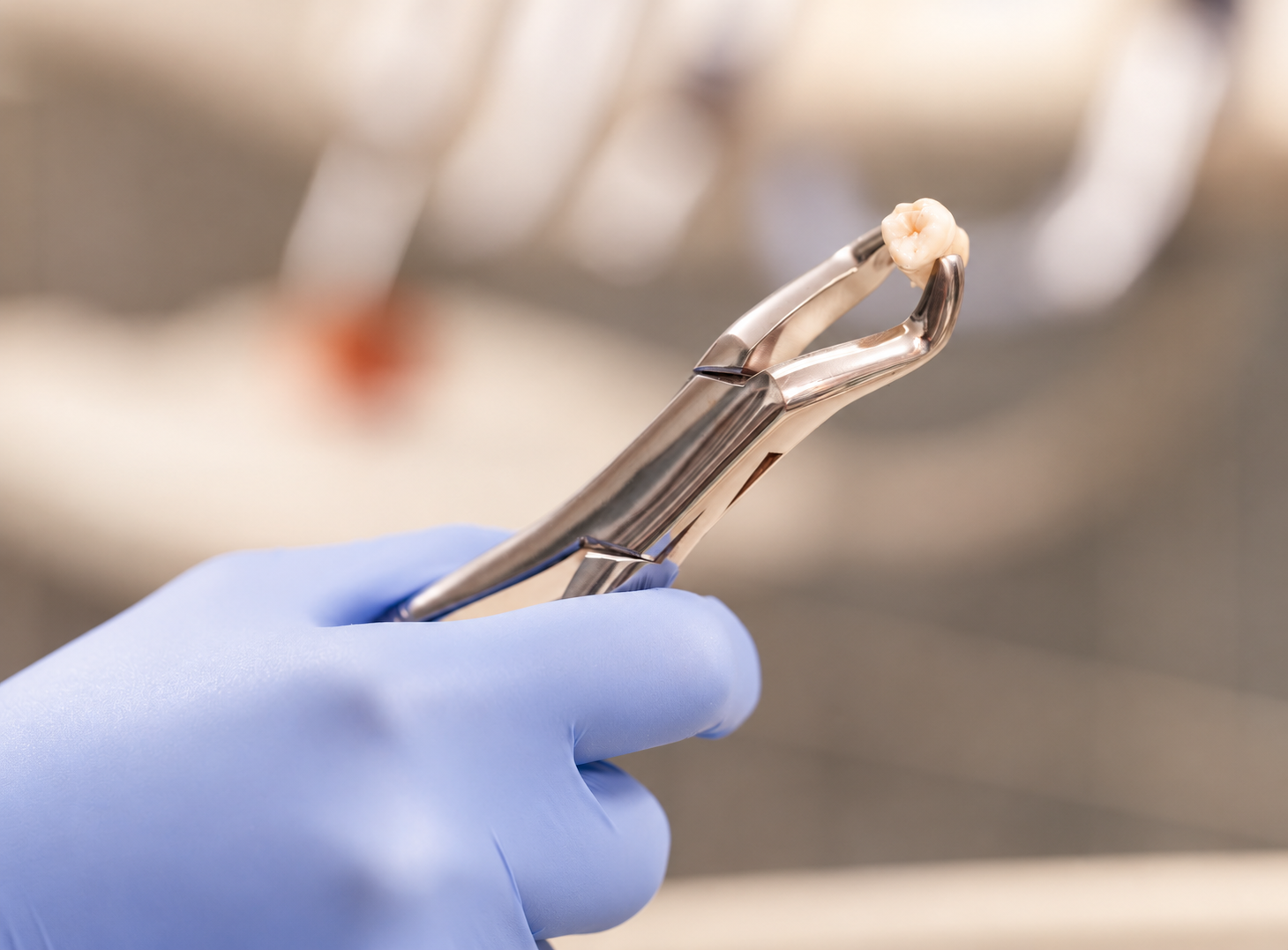
Tooth extraction is generally considered when a tooth cannot be reliably saved or is causing problems that other treatments cannot resolve. Your dentist will assess the tooth before recommending removal.
Severe Tooth Decay or Infection
When decay reaches deep inside a tooth or infection has severely damaged its supporting structures, a filling or root canal treatment may no longer be suitable. Extraction may be recommended if the tooth cannot be saved.
Broken or Badly Damaged Teeth
A tooth that is fractured below the gumline or has lost too much healthy structure may not be repairable with a filling or crown. Your dentist will assess the extent of damage before recommending removal.
Advanced Gum Disease
Severe periodontitis can damage the bone and tissues holding a tooth in place. If a tooth becomes very loose and cannot be stabilised, extraction may be necessary.
Why Tooth Extraction May Be Necessary
Address an Untreatable Infection
When an infected tooth cannot be saved with root canal treatment or other care, extraction removes the affected tooth and can help address the source of infection. Additional treatment may be required depending on the condition.
Remove a Tooth Beyond Repair
Severely fractured or decayed teeth may no longer provide enough healthy structure for a reliable restoration. Removing an unrestorable tooth can eliminate a continuing source of pain, irritation or infection.
Plan for Tooth Replacement
After an extraction, replacing a missing tooth may help maintain chewing function and reduce changes in tooth position. Your dentist can discuss suitable options, including dental implants or dentures, where appropriate.
Meet our Dentist
Get to know the people who’ll welcome you and care for you at Glenvale Dental.
Learn about our team’s backgrounds and approach to patient care before your first visit.

What Is the Tooth Extraction Process?


Examine Your Tooth
Your dentist examines the affected tooth and takes X-rays where needed to assess its roots and surrounding bone. We'll explain whether extraction is necessary and discuss any alternatives.


Numb the Area
Local anaesthetic is used to numb the tooth and surrounding tissues. Your dentist will check that the area is adequately numb before starting and explain what to expect during the procedure.


Remove the Tooth
Your dentist carefully loosens and removes the tooth. Some teeth require a more complex surgical approach, depending on their position and condition. Stitches may be needed in certain cases.

Support Your Recovery
We'll provide instructions on controlling bleeding, protecting the blood clot and keeping the area clean. Your dentist will also explain when to seek further advice and discuss tooth replacement options if appropriate.
Frequently Asked Questions
-
Tooth extraction is usually performed under local anaesthetic to numb the tooth and surrounding tissues.
You may feel pressure or movement during the procedure, but you should not feel sharp pain once the area is adequately numb.
Let your dentist know if you experience discomfort so they can assess whether additional anaesthetic is needed.
-
Recovery depends on the tooth removed and the complexity of the procedure. Pain and swelling generally improve over the first few days, while the gum tissue often takes around one to two weeks to heal.
The underlying bone takes longer to recover. Your dentist will provide specific aftercare instructions.
-
The cost depends on the tooth's position, root structure and whether a simple or surgical extraction is required. Dental X-rays and other treatment needs may also affect the total cost.
At Glenvale Dental, we'll assess your tooth and explain the recommended treatment and associated fees before proceeding.
-
Sometimes. Depending on the extent of damage, a tooth may be restored with a filling, dental crown or root canal treatment. However, severe fractures, extensive decay or significant loss of supporting bone may make extraction necessary.
Your dentist will assess whether preserving the tooth is a realistic option.
-
Choose soft, cool or lukewarm foods initially, such as yoghurt, scrambled eggs or mashed vegetables. Avoid hard, crunchy and very hot foods while the area is healing.
Do not eat until the anaesthetic has worn off, as you could accidentally bite your cheek or tongue.
-
Avoid smoking, vigorous rinsing, spitting and strenuous exercise for at least the first 24 hours, or longer if advised by your dentist. These activities may disturb the blood clot that protects the extraction site.
Follow your dentist's instructions before resuming normal activities.
-
Dry socket occurs when the protective blood clot in the extraction site is lost or breaks down too early, exposing the underlying bone. It can cause severe, worsening pain a few days after extraction, sometimes accompanied by an unpleasant taste or bad breath.
Contact your dentist promptly if these symptoms develop.
-
Not every extracted tooth needs replacing, but leaving a gap may affect chewing and allow neighbouring teeth to shift over time. Depending on the location of the missing tooth and your oral health, replacement options may include a dental implant, bridge or denture.
Your dentist can discuss whether replacement is appropriate.